
Small business
How to start a small business with little money: a practical plan for under $1,000
A realistic, step by step plan for launching a small business on less than $1,000, from choosing a model to landing your first paying customers.

Marcus spent 9 years in product and pricing roles at two mid sized e-commerce companies before moving into independent analysis. He has tested more than 300 consumer gadgets and AI tools, and tracks how small businesses actually adopt them, including what they cost per month and where they save time. At Freshmane he writes buying guides and plain language explainers on AI for shoppers and owners of small firms.
20 articles
A realistic, step by step plan for launching a small business on less than $1,000, from choosing a model to landing your first paying customers.

A practical comparison of the five accounting tools most small businesses and freelancers actually choose between, with honest notes on price and fit.

A practical guide to choosing between a single router and a mesh system based on your floor plan, wall materials, internet speed and budget.

A step by step method for setting online prices that cover every hidden cost and still leave a real profit on each order.
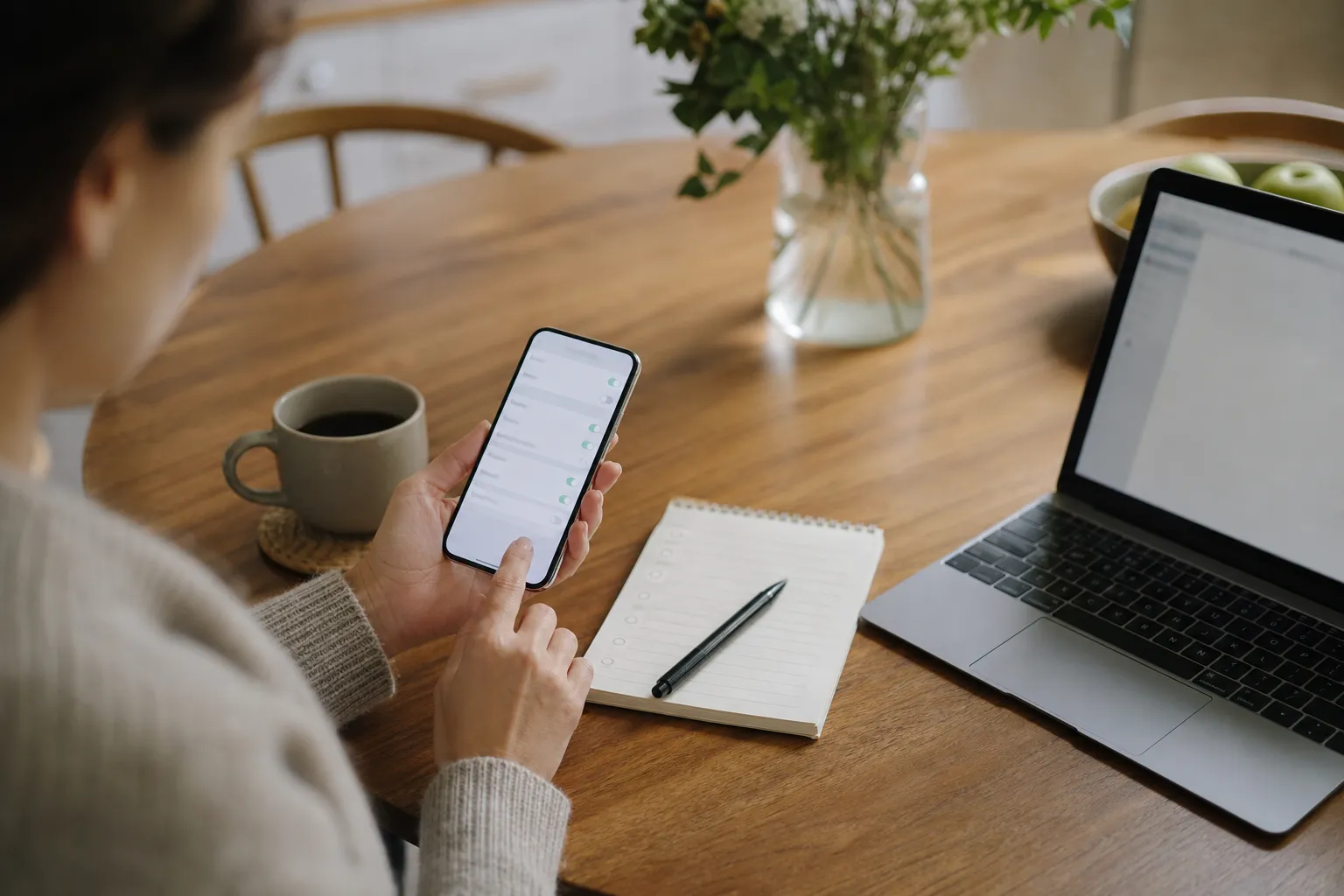
A timed, practical routine for finding every recurring app charge and cancelling the ones you no longer use, before they renew again.

Notion rewards people who think in tables and projects, Obsidian rewards people who think in connections, and the right choice depends on which one sounds like you.

A practical comparison of Shopify, Etsy and Amazon on fees, built in traffic and control, so you can pick the right home for your first product.

Refurbished tech can save you a lot of money, but only if you check the seller, warranty, battery and grade before you hand over your card.

The signs that your phone battery is worn out, how to check its health, and realistic replacement prices from manufacturers, repair shops and DIY kits.

A practical breakdown of how much laptop RAM you need for office work, school, gaming, and creative jobs, and when paying for more memory is worth it.

Twelve free AI tools that handle writing, research, meetings, translation and planning, plus where each free plan stops and how to avoid the common risks.

A practical framework for writing product descriptions that answer real buyer questions, remove doubt and earn the click on the add to cart button.

A practical comparison of ChatGPT, Claude and Gemini based on the tasks people actually do at work, from email drafts to spreadsheets and code.

A practical comparison of the leading password managers, showing what you actually get for the money and which one fits your household.

A practical guide to letting AI handle routine customer questions while your team keeps the conversations that build loyalty.

A retail analyst's checklist for separating genuine customer feedback from paid, incentivized and AI written reviews before you spend a cent.

Seven repeatable prompt patterns that turn vague AI answers into specific, usable work, with examples you can copy today.

A practical iPhone vs Android comparison covering cost, software support, privacy and ecosystems, plus a checklist to help you decide.

An AI agent pursues a goal by planning and taking actions with tools, while a chatbot answers you one message at a time. Here is what that difference means in practice.

A practical guide to using a price tracker to read price history, set smart alerts and buy when the price is genuinely low.